Site conditions
Net head, design flow, seasonal variation, sediment and altitude.
Hydropower equipment sourcing starts with net head, flow and electrical duty. Build the turbine, generator and control scope around the project.
Talk through your requirements ↗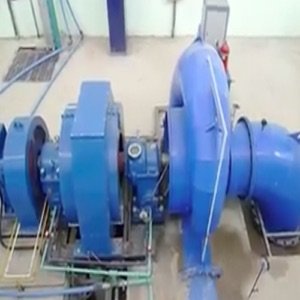
A useful quotation connects the hydraulic duty to the equipment interfaces and the supply boundary.
Reference head range: 8–300 m. Review duty points, arrangement and generator scope.
Explore the details ↗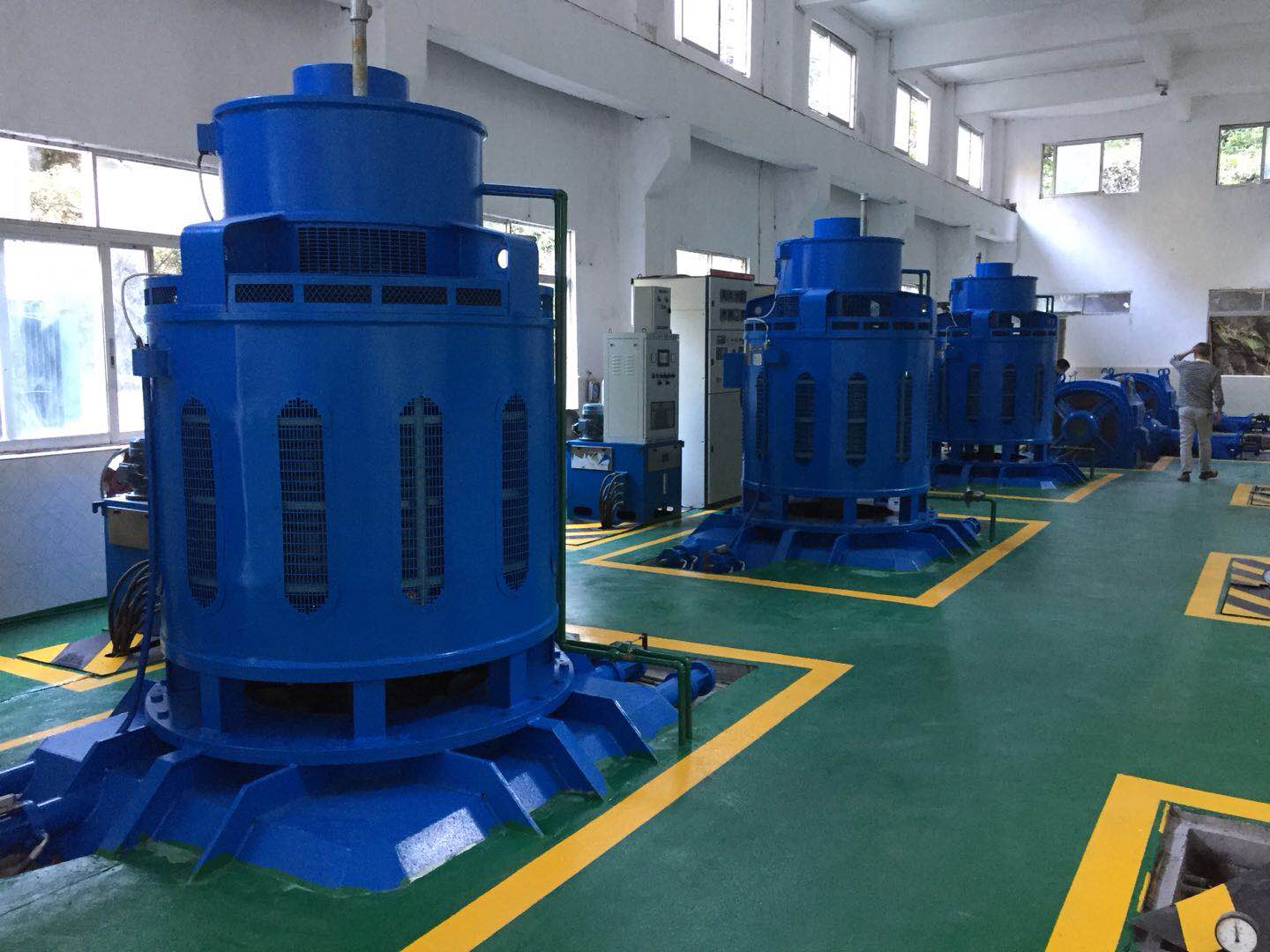
High-head applications. Discuss nozzle arrangement, unit output and the complete package.
Explore the details ↗Head, flow, output, grid requirements, civil interfaces and scope boundaries.
Explore the details ↗State the equipment and services your project requires; the quotation must identify what is included.
| Package area | Equipment / requirements | Key interface |
|---|---|---|
| Hydraulic | Turbine, inlet valve, governor and auxiliaries | Water conditions, arrangement and civil dimensions |
| Electrical | Generator, excitation, transformer and switchgear | Voltage, frequency, grid connection and protection |
| Controls | Panels, monitoring and SCADA requirements | Signals, operating philosophy and communications |
| Project scope | Drawings, inspection, installation and commissioning requirements | Responsible parties, deliverables and acceptance points |
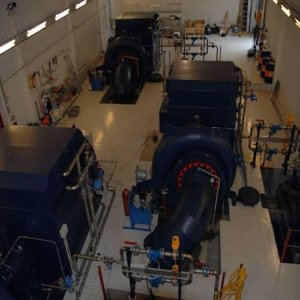
Equipment, civil works, installation and commissioning involve different interfaces. Define who provides the data, drawings, site works and acceptance checks before comparing “turnkey” proposals.
Send a model, drawing or description of the job. Include your destination and quantity so we can focus the discussion.
Turbines, generators and controls need to work as one electromechanical system. Start with the site duty and the boundary between equipment supply, civil works and installation.
Net head, design flow, seasonal variation, sediment and altitude.
Target output, grid or isolated operation, voltage and frequency.
Turbine, generator, governor, valves, control, protection and auxiliaries.