Material
Material type, piece size, bulk density, moisture and desired grab capacity.
Explore wheeled excavators and grab-handling equipment for earthworks, loading and site operations. Build your shortlist around reach, material and the attachment you need.
Talk through your requirements ↗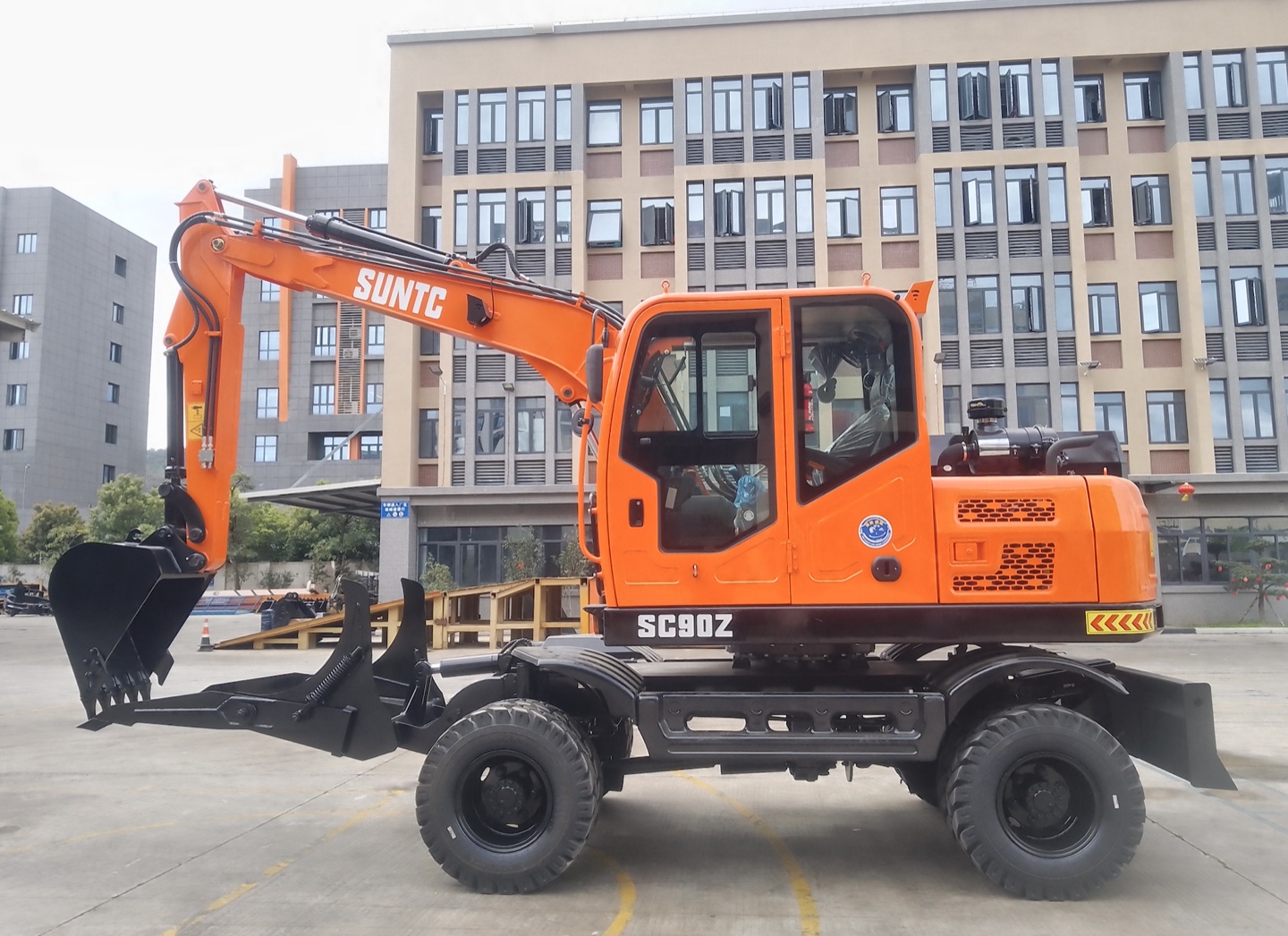
Different tasks need different working envelopes and attachments. Compare the machine and work tool as a combination.
Equipment classes from 2.5 t to 10 t in the initial comparison. Review reach, depth and attachments.
Explore the details ↗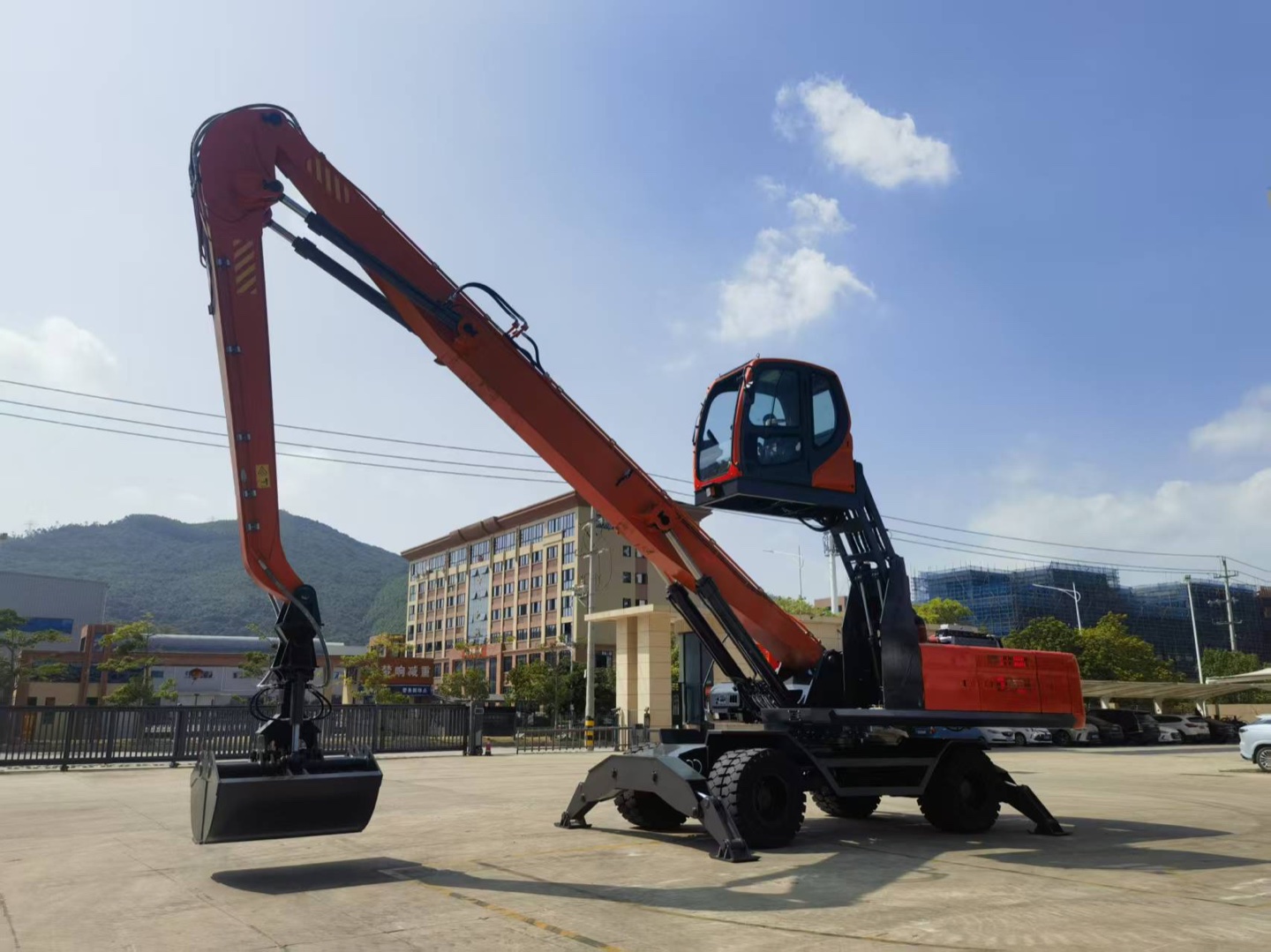
Define material characteristics, grapple, pickup radius and discharge height.
Explore the details ↗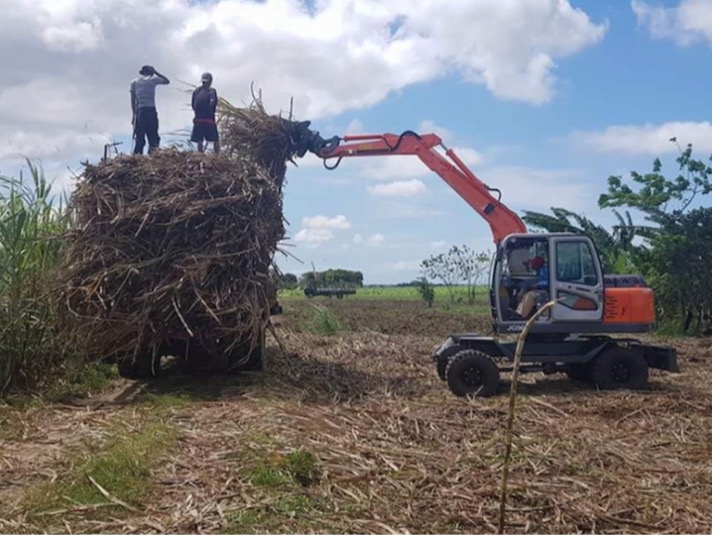
Discuss cane loading, trailer access, reach and field conditions.
Explore the details ↗For material handling, the important questions are what you are lifting, how far it must reach and where it must be placed. A machine’s weight class does not replace a configuration-specific lifting assessment.
Include these items in the inquiry so the offer can address the actual job.
| Buyer concern | Information to request |
|---|---|
| Will it reach the work area? | Digging or handling envelope, loading height and transport dimensions. |
| Will my attachment work? | Hydraulic flow and pressure, coupler, auxiliary circuits and attachment compatibility. |
| Can it operate at my site? | Ground conditions, access, stability requirements and the proposed working setup. |
| Can I maintain it locally? | Component identification, maintenance information, wear-parts list and support scope. |
| What exactly am I buying? | Final machine configuration, attachment list, inspection points and written supply terms. |
Send a model, drawing or description of the job. Include your destination and quantity so we can focus the discussion.
Sugarcane, timber and scrap bring different density, grip and cycle requirements. A useful handler brief describes the material and loading geometry, not just a machine weight.
Material type, piece size, bulk density, moisture and desired grab capacity.
Pickup radius, unloading height, obstacles and truck or hopper position.
Ground bearing, slope, travel distances, access width and stabilizer space.